

Buying Property Near High Voltage Power Lines
by Pratiksha Kumari 25 Feb 2026 · 4 min read
Understanding perception risk, valuation impact, and exit strategy before committing.
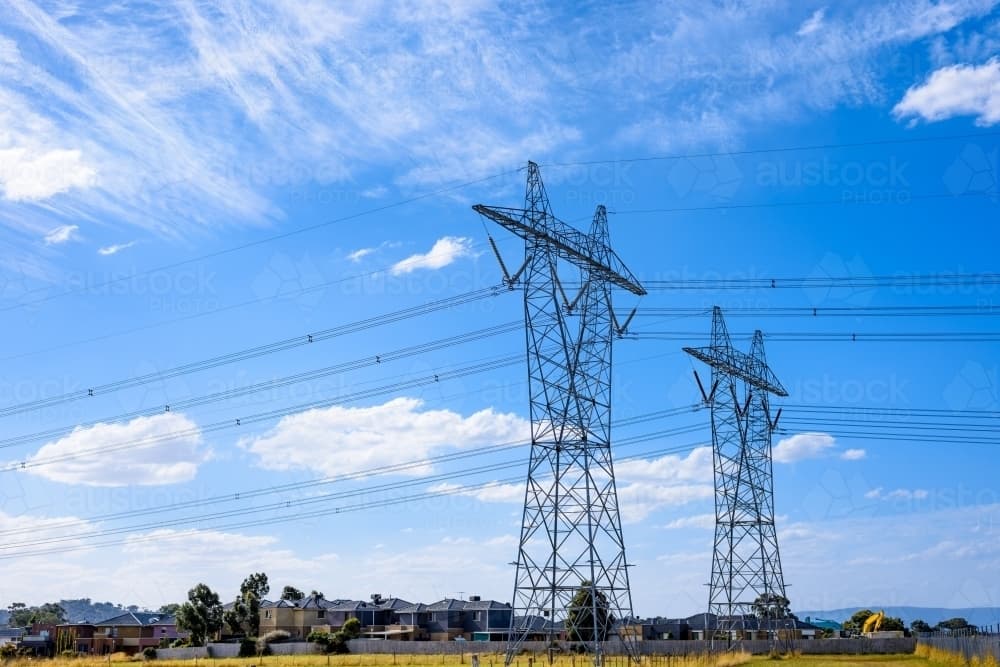
What looks like a great deal on paper can carry hidden perception risk. A property may tick every box — strong rental return, modern layout, attractive price — but high voltage transmission lines nearby can change the investment equation. They don’t automatically make a property unsuitable, but they do influence buyer behaviour, valuation outcomes, and long-term resale potential.
Buyer Perception & Resale Liquidity
For many owner-occupiers, visible power lines create hesitation. Even if the home is structurally unaffected, perception can shrink the buyer pool. A smaller pool often means longer days on market and less negotiating strength when it’s time to sell.
Valuation Considerations
Valuers may apply conservative adjustments where high voltage lines are clearly visible or in close proximity. This can affect refinancing potential and equity access — particularly in tighter lending environments.
Rental Demand vs Exit Strategy
In some markets, tenants may not be concerned, especially in affordable price brackets. But property investing isn’t just about renting — it’s about exiting well. Liquidity matters just as much as yield.
Due Diligence Checklist
Before committing, check for registered easements, confirm building setback requirements, review planning restrictions, assess visibility from the dwelling, and consider long-term resale appeal.
The Bottom Line
High voltage lines don’t always stop a deal. But they do change the risk profile. Smart investors analyse the surroundings — not just the house. Because buying is easy. Exiting is where strategy shows.